
City of Tulsa Housing Programs and Process Improvements Working to Reduce Barriers to Housing Development
In February, Housing Forward in partnership with the City of Tulsa, The Anne & Henry Zarrow Foundation and Smart Growth America released the Smart Growth Tulsa report, an analysis of Tulsa’s housing needs and opportunities. Since the report’s release, many of the recommendations made to expedite housing development have seen significant progress, through advocacy, collaboration and partnership between the City of Tulsa, Housing Forward, developers, housing nonprofits and influencers like Housing Partnership Network, Incremental Development Alliance and more.
This article is part of a multi-part series highlighting how these recommendations are being implemented as our community works to move housing forward in Tulsa.
Smart Growth Recommendation: Foster stronger partnership and communication channels between developers, city departments, and community stakeholders
What’s Changed: Initiatives such as the Community Builder Pilot Program and the Housing Acceleration Team demonstrate progress in enhancing development capacity and streamlining communication between developers and the City of Tulsa.
Cross-departmental coordination at the city has improved with the integration of relevant departments onto EnerGov, Tyler Technologies’ Enterprise Permitting & Licensing software, a modern, centralized platform designed to manage permitting, licensing, inspections, and code enforcement. In 2021, a consolidation into that one system was initiated for development review tracking, customer communication, and other city groups that participate in development review. This unified system allows customers to submit plans and receive updates in one location, and other City departments are following suit. Right now, the Tulsa Planning Office (TPO) is working to move their applications, such as rezonings or variances, into the same portal. Easement closures, which are needed when outdated utility or roadway requirements interfere with proposed development, are also scheduled to move online in 2026.
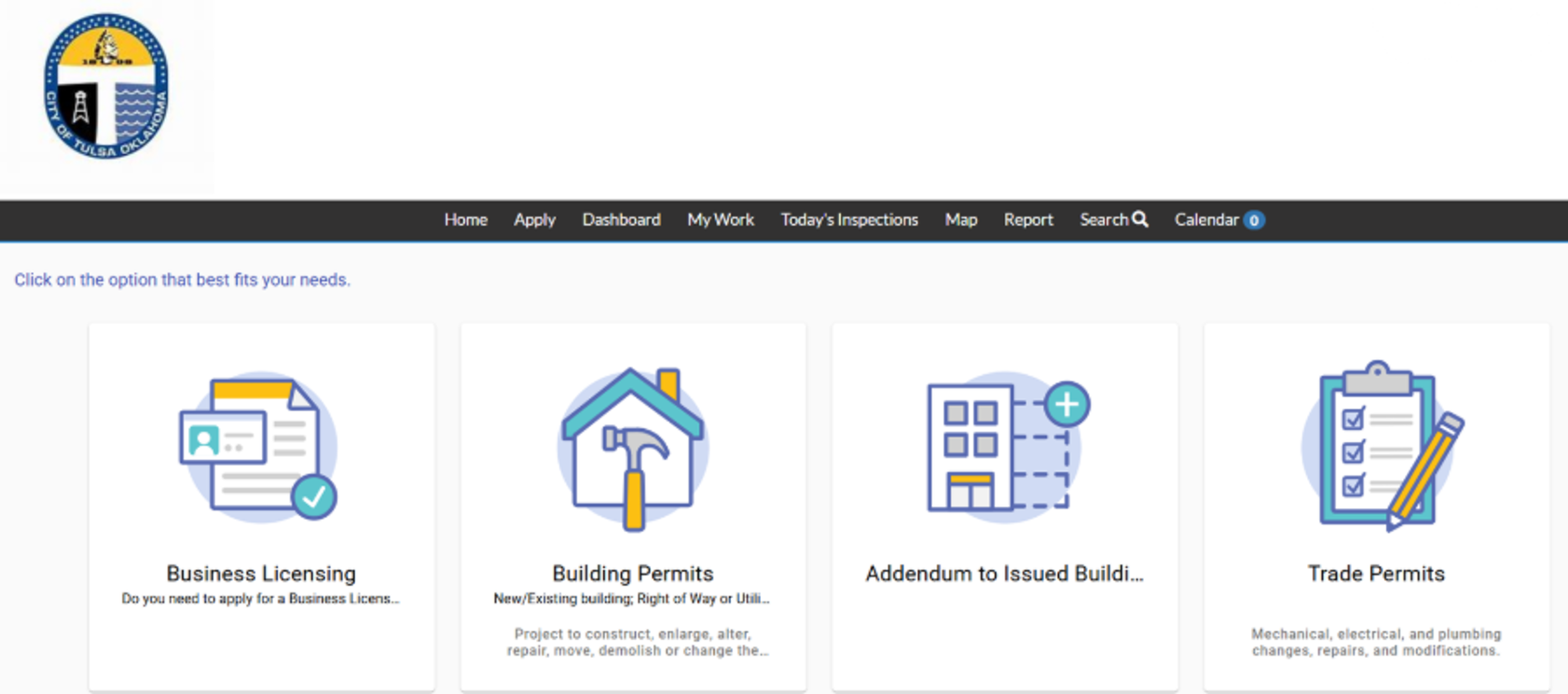
City of Tulsa’s Online Permit Application’s Decision Engine Tool helps customers navigate the permit application process based on project type with user-friendly icons and explanations.
These changes mark significant progress for modernization and streamlining of interdepartmental collaboration and show how the City is working as a team to make the process easier for applicants.
The Housing Acceleration Team, convened by Mayor Nichols through an executive order announced on February 24th aims to make it easier and faster for new housing projects to move from plans to reality. Tulsa Housing Authority's Hilltop Apartments was the first project where review was expedited through the Housing Acceleration Team and the permits for all 6 buildings were issued within 30 days of submission. In addition to this high-impact development review being expedited, some takeaways from that process are being implemented for all permits, including ensuring that applicants are aware at the time of permit issuance of all permits that will be required prior to occupancy, to avoid any surprises or delays.
The Hilltop Apartments will be built on the site of the old Sunset Plaza Apartments, located at 266 E. Independence Street. Groundbreaking for Phase 1, with 106 units, began last week on December 11, with Phase 2 adding 155 mixed-income units just north along Martin Luther King Boulevard. In addition to serving low- and moderate-income households, the development will include 20 units for chronically homeless individuals, supported by HUD funding awarded to the City of Tulsa.
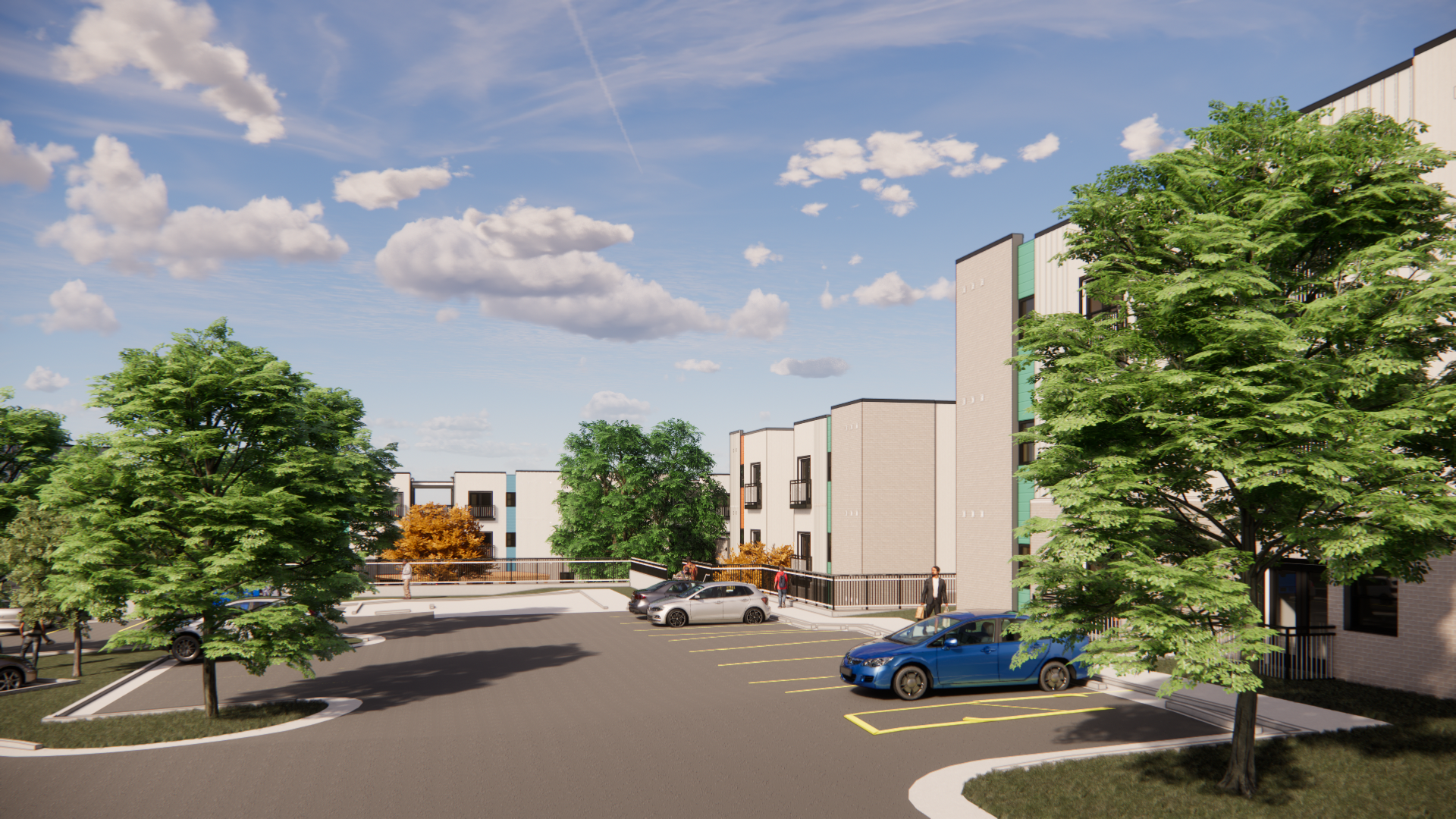
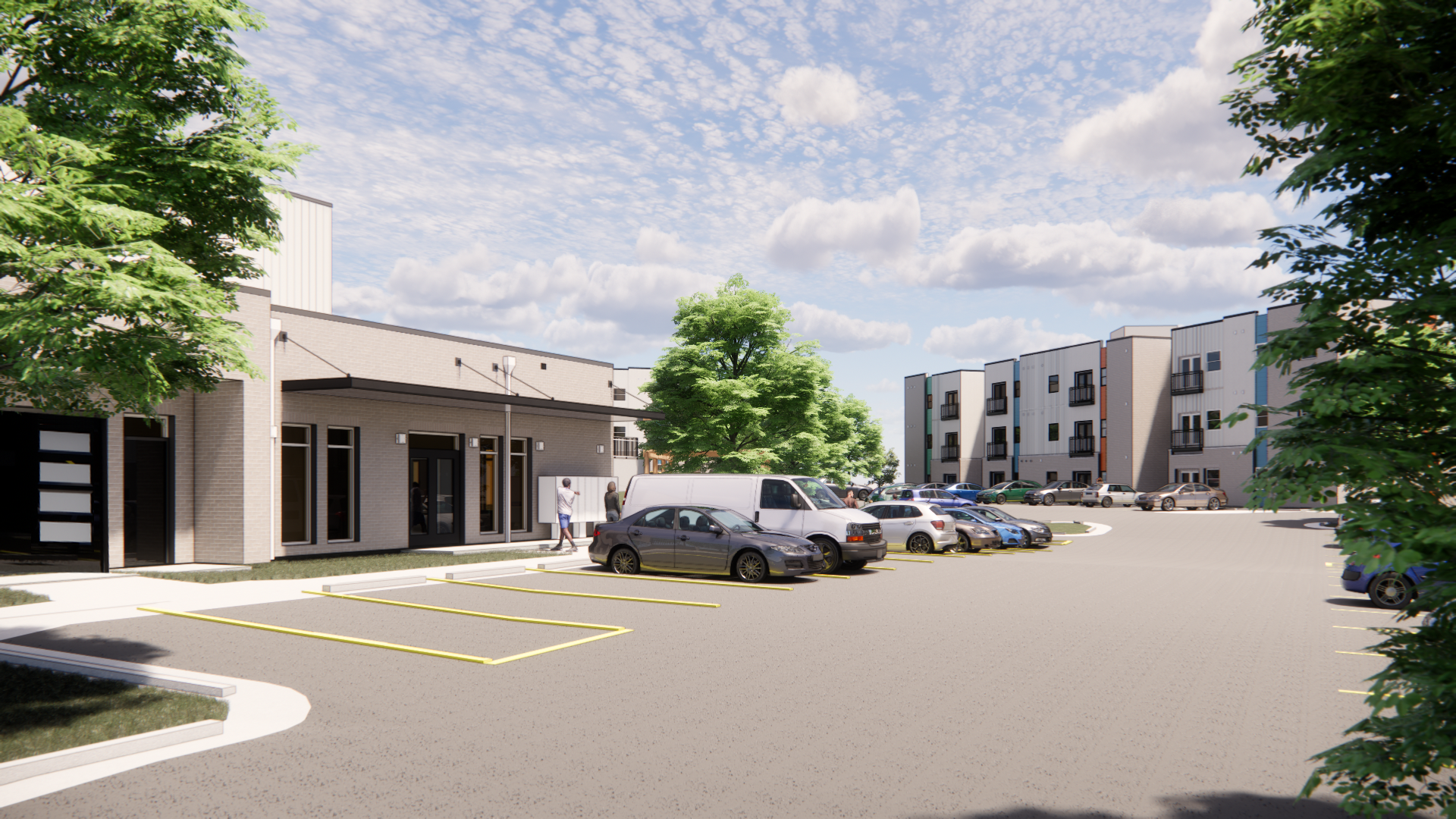
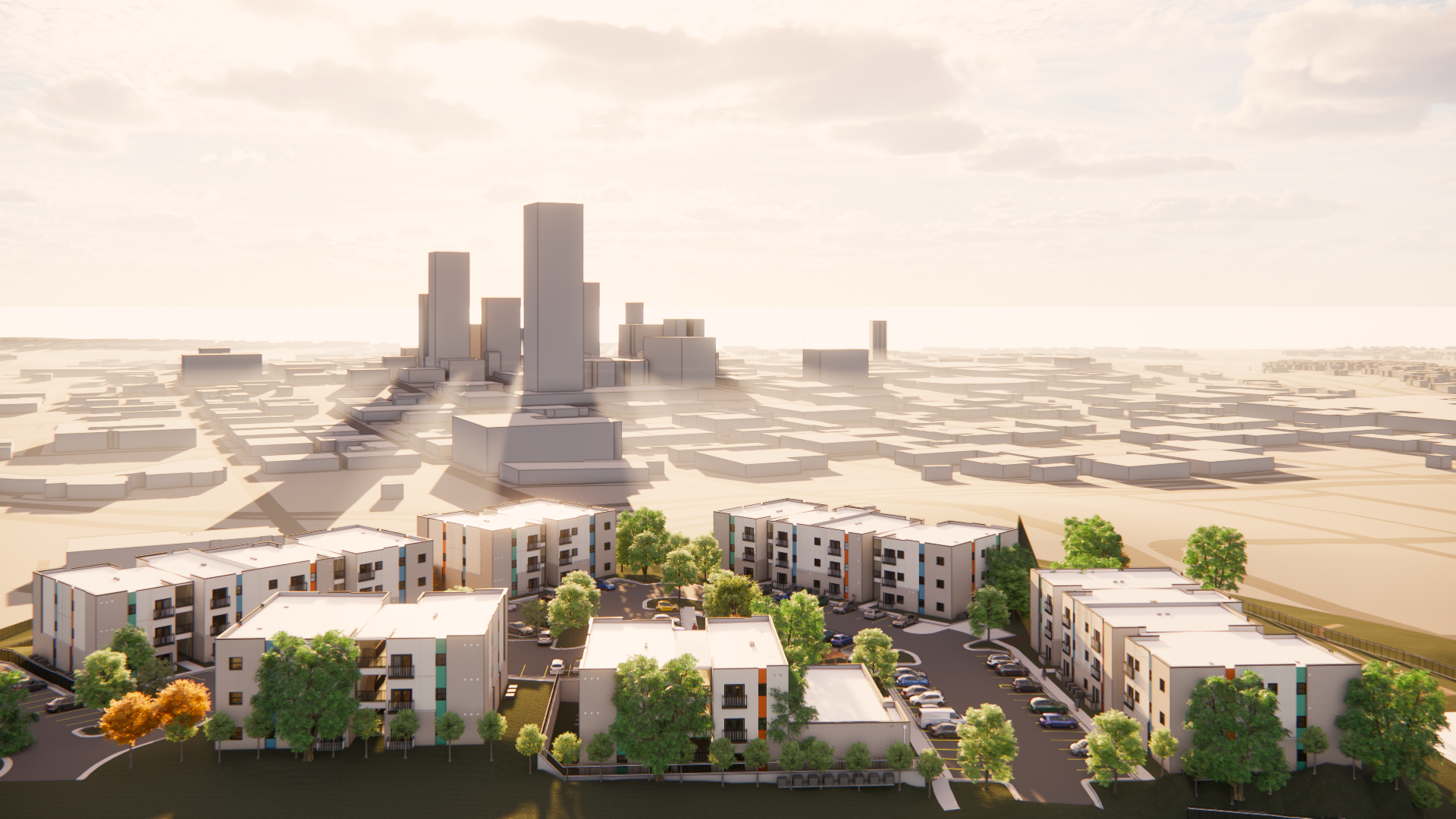
Hilltop Apartments, (Images Courtesy of KSQ Design)
Another example of ongoing work to reduce barriers to housing development at the city is the Community Builder Pilot Program, which launched in August by Mayor Nichols. The program aims to help selected developers convert unoccupied properties into housing, starting with a limited group of participants to evaluate and refine the initiative. Tulsa is driving housing progress through the EnerGov system integration and initiatives like the Housing Acceleration Team and Community Builder Pilot Program to speed development and improve coordination.
Communities that grow, thrive. Tulsa’s present housing supply is not meeting the needs of its community. By tackling the recommendations made in our Smart Growth Report such as streamlining development, removing regulatory barriers, and aligning housing with transportation and infrastructure investments, Tulsa can create a more accessible and affordable housing market, giving Oklahomans the freedom to choose how and where they live.
Next Steps:
Expand EnerGov integration to include Tulsa Planning Office applications (rezonings, variances) and easement closure requests in 2026.
Evaluate results of the Community Builder Pilot Program and Housing Acceleration Team and determine next phase.
Additional Opportunities: Tulsa has made tangible progress since the Smart Growth Tulsa report, but opportunities remain to further improve efficiency and transparency. New recommendations introduced since the report’s release are already shaping the development process, such as:
Continuing outreach among developers to set clear expectations to meet review requirements.
Reducing number of review rounds for multifamily projects by maintaining consistent reviews among Development Services staff.
Requiring ownership information on permit applications. These changes enhance communication and accountability for all parties involved, from developers, engineers, architects, contractors to property owners.
Combined with ongoing modernization efforts and strategic partnerships, Tulsa is well-positioned to continue accelerating housing development and meeting the city’s growing needs.